
On 9 April 2026, Regenesys Education welcomed leaders, innovators, and decision-makers to the Regenesys AI Summit 2026, a one-day gathering focused on one of the most urgent questions facing organisations today: what does the future of South Africa look like in the age of AI? Through keynote addresses, sector-focused masterclasses, exhibitions, and a closing panel discussion, the summit created space for a more serious and timely conversation about how artificial intelligence is already reshaping the way institutions think, operate, and prepare for what comes next. The official programme framed the day around technology, finance, healthcare, and society, making it clear from the outset that AI is no longer a niche topic. It is a leadership issue.
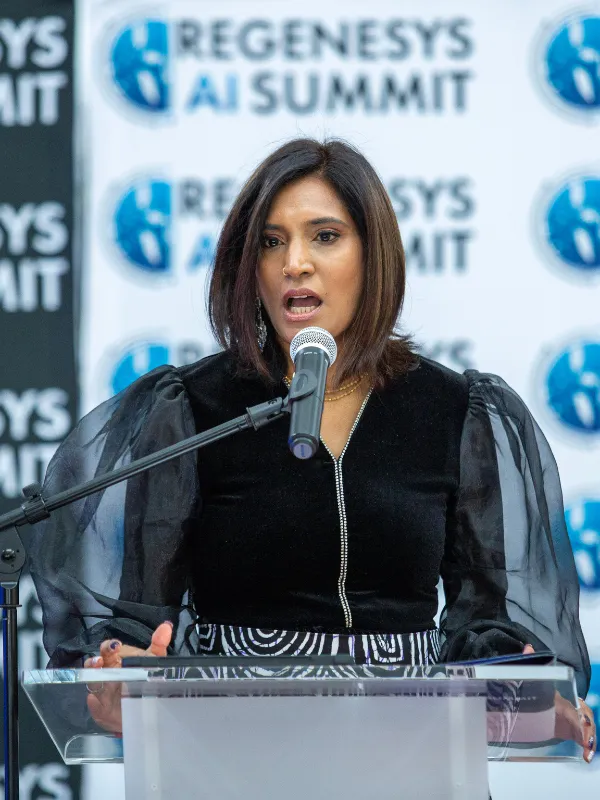
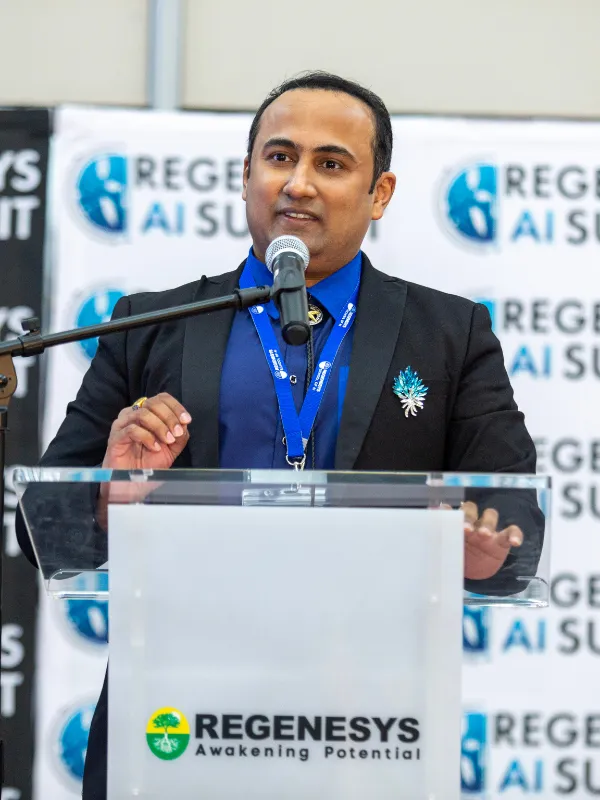
What made the summit stand out was its refusal to reduce AI to buzzwords or spectacle. Instead, the conversation kept returning to the deeper questions of readiness, governance, infrastructure, trust, and relevance. In her opening remarks, Ms Indherani Reddy, Group COO at Regenesys Education set the tone by describing AI as a civilisational turning point, not merely a technological one. Her message was clear: this moment calls for conscious leadership rooted in integrity and purpose, qualities that no machine can replicate. That framing gave the summit its depth. It positioned AI not simply as a tool to be adopted, but as a force that will test the values, judgement, and leadership maturity of institutions across the continent.
Regenesys Education
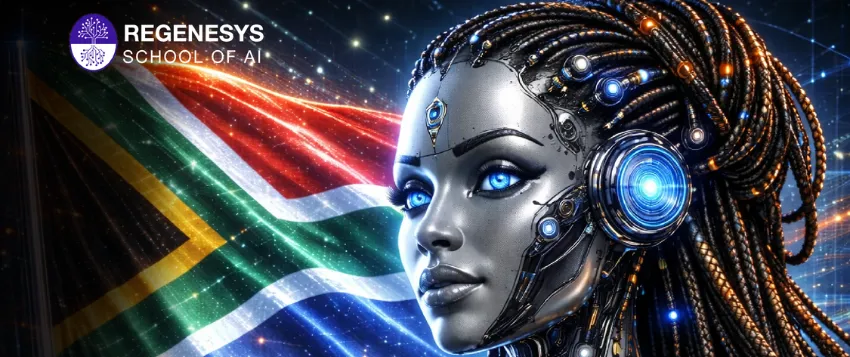
That sentiment was echoed and expanded by Dr Nishal Khusial of Regenesys Education, who spoke about the launch of the School of AI as part of a broader shift Africa must make, from passive consumer to active creator. His emphasis on purpose-driven, resilient AI systems, including offline-capable agents suited to African connectivity realities, brought a distinctly African lens to the conversation. Rather than importing assumptions from elsewhere, the summit made a compelling case for AI systems built with local realities in mind.
The keynote programme reflected that same sense of ambition. Speakers from Microsoft, Cisco, Siemens Healthineers, IITPSA, and Google South Africa each approached the subject from a different angle, yet a clear pattern emerged. This was not a discussion about whether AI matters. It was a discussion about how Africa should shape it, govern it, and extract real value from it.
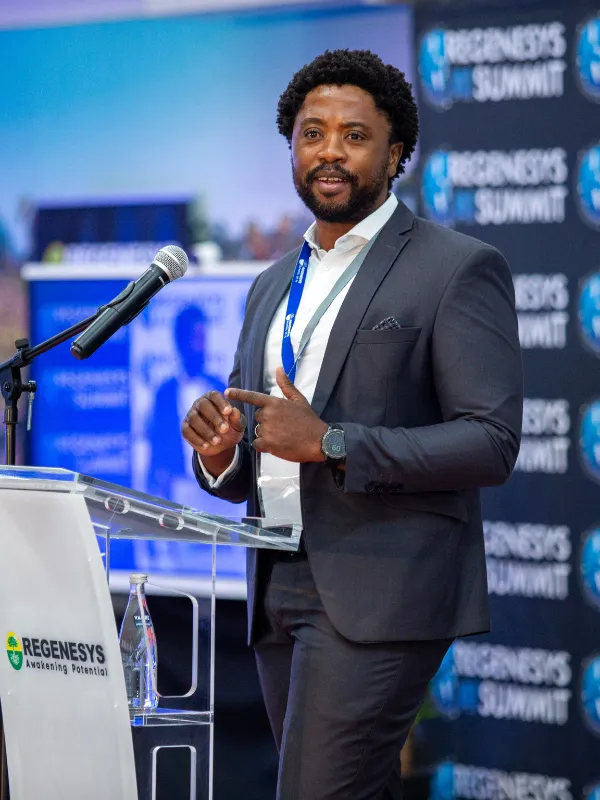
Ayanda Ngcebetsha, AI Partner Development Director at Microsoft, described the current moment as a shift from the cloud era into what he called a cognitive era, one in which intelligence becomes abundant and scalable. He introduced the idea of frontier firms, organisations that remain human-led but increasingly agent-operated. His argument was especially striking in an African context. Rather than inching forward cautiously while other regions define the pace, he suggested that Africa has a genuine opportunity to leapfrog global peers by embracing AI strategically and boldly.
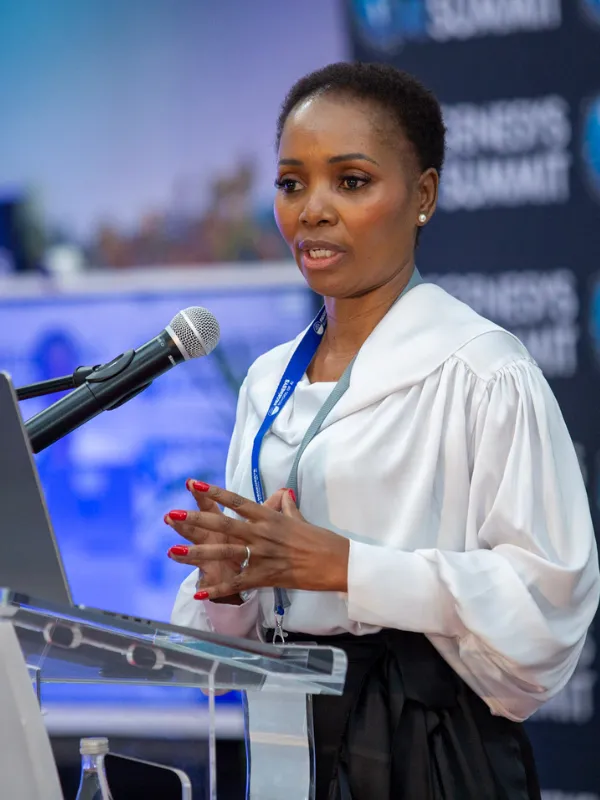
That sense of possibility was balanced by Smangele Nkosi, Country Leader at Cisco, who brought the conversation back to foundation. Her message was that infrastructure remains the non-negotiable base of the AI era. Without the right systems, the right skills, and the right security architecture, implementation will always fall short of ambition. She also challenged the familiar idea that Africa is somehow behind. Africa, she argued, is not late to AI. But to shape it meaningfully, the continent must invest in trust, security, and local capacity.
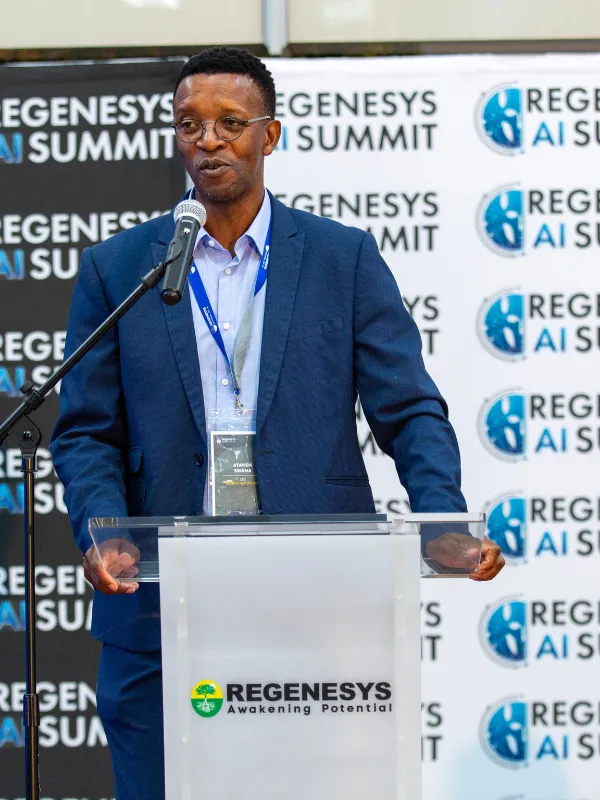
This focus on practical readiness continued in the healthcare keynote delivered by Ayanda Swana, CEO of Siemens Healthineers. Swana positioned AI as a critical tool in addressing healthcare inequality across Africa, from AI-assisted diagnostics to digital twins that could support more personalised treatment. At the same time, he raised an issue that is becoming increasingly important in African digital conversations: sovereignty. If countries do not retain sovereignty over their health data, long-term trust and sustainability will always remain fragile. It was a reminder that AI adoption cannot be separated from the governance questions surrounding data, power, and control.
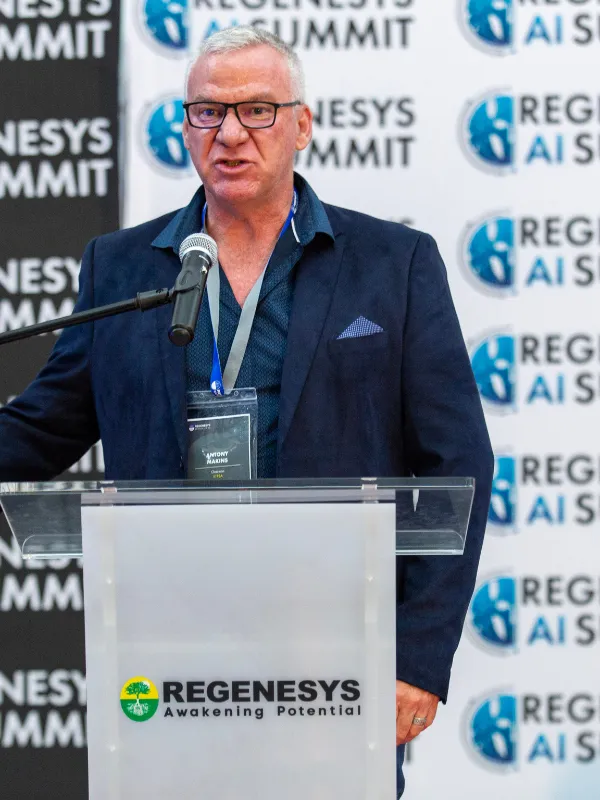
Intelligence and Robotics (SIGAIR) for the IITPSA
Governance came into even sharper view through Antony Makins, Chairman of the Special Interest Group for AI and Robotics at IITPSA. Makins argued that South Africa’s biggest AI challenge is not technical. It is executive literacy and governance. Too many organisations, in his view, remain trapped in what he described as pilot purgatory, where experimentation continues without real accountability, clear ownership, or a path to scale. His answer was not more noise or more pilots, but structured governance frameworks embedded at board level, with traceability and measurable responsibility built in. In many ways, that observation captured one of the summit’s strongest themes: AI maturity will depend less on access to tools and more on the quality of institutional leadership.
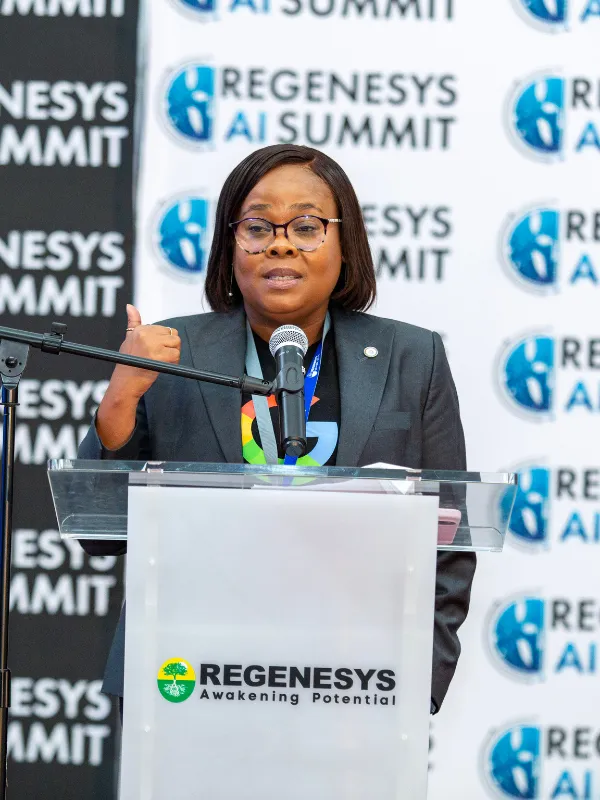
Google South Africa
Abongile Mashele, Head of Government Affairs and Public Policy at Google South Africa, extended the conversation into the broader digital ecosystem. She highlighted how AI is already transforming African economies and daily life, pointing to investment in connectivity, local language models, research, and skilling. But the deeper point in her remarks was about agency. Africa cannot afford to remain a passive consumer of AI shaped elsewhere. It must actively shape AI according to its own values, languages, and development priorities. That message resonated strongly with the broader spirit of the summit, which consistently returned to the importance of African relevance rather than borrowed ambition.
As the day progressed, the summit shifted from broad strategic insight into more focused sector conversations. Parallel sessions explored AI in financial services, ICT, and healthcare, giving attendees the opportunity to engage with more specific industry realities. In financial services, the discussion centred on scaling AI for risk, fraud, and growth. In ICT, the focus turned to infrastructure, cybersecurity, and governance at scale. In healthcare, the conversation examined how AI could improve access, efficiency, and patient outcomes.
This structure was one of the summit’s greatest strengths. It recognised that while AI may be a shared strategic priority, the challenges of implementation differ sharply across sectors. A bank, a healthcare provider, and a technology business do not face the same pressures, regulatory demands, or operational risks. By allowing for those distinctions, the Regenesys AI Summit moved the conversation beyond generic enthusiasm and into the kind of nuanced engagement that serious institutions need.
The masterclasses deepened that practical focus even further. They examined how organisations can move from experimentation to implementation, how to build systems that are reliable and scalable, and how to think more clearly about value, compliance, and operational readiness. That practical emphasis carried through to the closing panel discussion, titled From Strategy to Implementation: AI Best Practices for South African Organisations. It was a fitting end to the day because it captured the summit’s central message so well. AI strategy without execution means very little. And execution without leadership, governance, and context is even more dangerous.
What emerged over the course of the summit was a much clearer picture of what responsible AI leadership should look like in South Africa and across Africa. It must be ambitious, but not careless. It must be innovative, but not detached from infrastructure and governance. It must be globally informed, but grounded in African realities. And it must be driven by people who understand that the future of AI on the continent should not be imported wholesale, but shaped deliberately and confidently from within.
The Regenesys AI Summit 2026 did not simply ask what AI can do. It asked what kind of leadership this moment demands. That is what gave the event its weight. At a time when AI conversations can so easily become shallow, the summit brought the focus back to what matters most: purpose, readiness, accountability, and the courage to build systems that reflect Africa’s own needs and ambitions.
Read more about our AI offerings here.