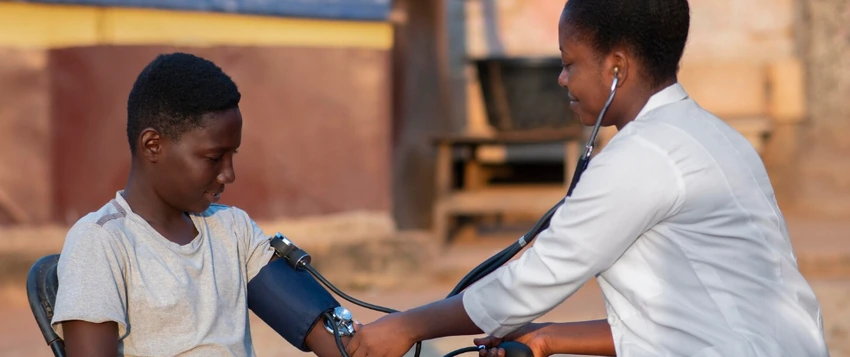

Primary health care plays an important role in helping individuals, families and communities access essential health services as close as possible to where they live and work.
It is not limited to treating illness after it occurs. Primary health care also includes health promotion, disease prevention, community participation, early intervention and coordination between different sectors that influence health.
Understanding primary health care principles is therefore valuable for healthcare professionals, public-health practitioners, community programme staff and students who want to understand how accessible and people-centred health systems operate.
The Primary Health Care Principles Short Learning Programme from Regenesys School of Health Sciences provides a structured introduction to these concepts, with a particular focus on primary healthcare in South Africa.
This article explains the main principles of primary health care, their importance, how they influence healthcare services and why they remain relevant to South African communities.
TABLE OF CONTENTS
What Is Primary Health Care?
Primary health care, often abbreviated as PHC, is a broad approach to health that aims to bring essential services closer to individuals and communities.
The World Health Organization describes primary health care as a whole-of-society approach that combines integrated health services, action on the broader factors that affect health, and the empowerment of individuals, families and communities.
Primary health care can include health promotion, disease prevention, screening, immunisation, treatment of common conditions, maternal and child health services, chronic care, rehabilitation and referral.
What Are the Main Principles of Primary Health Care?
The principles of primary health care help guide how health systems design and deliver services.
- Equity and access
- Community participation
- Health promotion
- Disease prevention
- Appropriate technology
- Multisectoral collaboration
1. Equity and Access to Healthcare
Equity means working towards fair access to healthcare according to people’s needs. Primary health care aims to reduce inequalities by bringing appropriate services closer to communities and recognising barriers such as distance, transport, staffing and infrastructure.
2. Community Participation
Community participation means involving individuals, families and local organisations in identifying health priorities, planning responses and supporting health initiatives.
3. Health Promotion
Health promotion focuses on helping people improve and maintain their health before serious illness develops. Examples include nutrition education, physical-activity campaigns, sexual and reproductive health education, mental-health awareness and chronic-disease education.
4. Disease Prevention
Primary health care may support prevention through immunisation, screening, early risk identification, maternal and child health interventions and health education.
5. Appropriate Technology
Appropriate technology means selecting tools that are effective, practical, affordable and suitable for the healthcare setting. Examples can include telehealth, digital records, appointment reminders and medicine stock-management systems.
6. Multisectoral Collaboration
Health outcomes are influenced by housing, education, employment, transport, nutrition, sanitation and other conditions. Primary health care therefore encourages cooperation between healthcare and other sectors.
What Are the Elements of Primary Health Care?
Principles describe how primary health care should operate, while elements refer more directly to the services and activities through which it is delivered.
- Health education
- Nutrition
- Maternal and child healthcare
- Immunisation
- Disease prevention and control
- Essential treatment
- Essential medicines
- Water and sanitation
Why Is Primary Health Care Important?
The importance of primary health care lies partly in its ability to address health needs before they require more complex intervention.
Strong primary healthcare can support earlier identification of health problems, disease prevention, local access, continuity of care, appropriate referral and community-based support.
What Is the Difference Between Primary Health Care and Primary Care?
Primary care usually refers to first-contact clinical healthcare provided to an individual.
Primary health care is broader. It includes primary care but also considers prevention, health promotion, community participation, social determinants of health and multisectoral action.
What Does Primary Health Care Look Like in South Africa?
Primary healthcare in South Africa includes clinics, community health centres, outreach services, community health workers and other first-contact services.
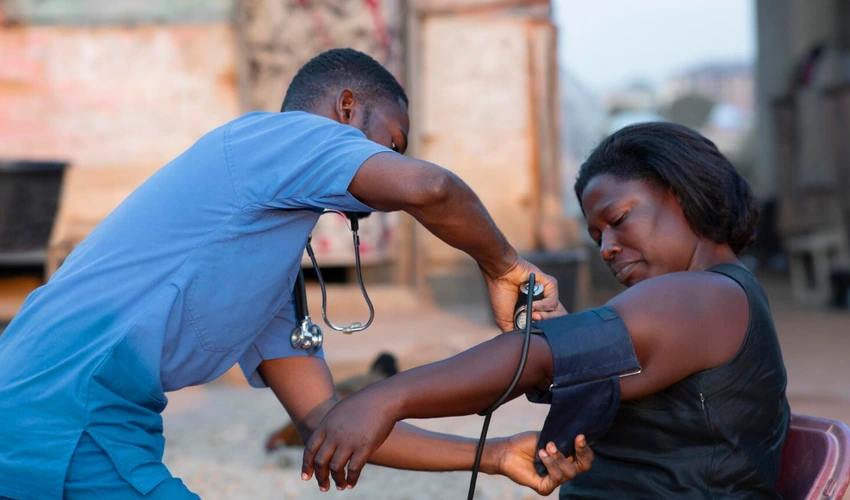
South Africa’s National Department of Health identifies strengthening primary health care as an important health-system priority.
What Primary Health Care Services Are Commonly Provided?
- Routine health consultations
- Immunisation
- Family planning
- Antenatal and postnatal care
- Child health services
- HIV and tuberculosis services
- Chronic disease management
- Mental-health support
- Screening
- Health education
- Medicine dispensing
- Community outreach
- Referral services
What Challenges Affect Primary Healthcare in South Africa?
Challenges may include worker shortages, unequal access, waiting times, medicine stockouts, infrastructure limitations, weak referral systems, transport barriers and differences between rural and urban resources.
For a more detailed discussion, read the Regenesys Insights guide to challenges faced by primary healthcare in South Africa.
How Can Primary Health Care Be Strengthened?
- Strengthen the healthcare workforce
- Improve medicine and supply systems
- Expand community outreach
- Strengthen referral systems
- Use technology appropriately
- Support community participation
- Address social determinants of health
Who Should Understand Primary Health Care Principles?
Knowledge of primary healthcare can be particularly useful for healthcare professionals, public-health practitioners, community health workers, programme coordinators, NGO staff, healthcare administrators and health-sciences students.
People exploring the wider healthcare field can also read Regenesys Insights’ guide on what health science is and the careers it includes.
Why Study a Primary Health Care Course?
A primary health care course can help learners understand how equity, prevention, participation, technology and collaboration work together within real healthcare systems.
Structured study can be useful for healthcare professionals and people involved in community and public-health programmes.
Study Primary Health Care Principles at Regenesys
The Regenesys Primary Health Care Principles Short Learning Programme provides an introduction to primary health care within the South African context.
The programme is currently delivered online over three days and covers primary healthcare structure, equity, community participation, health promotion, disease prevention, appropriate technology, multisectoral collaboration and urban and rural healthcare resources.
Regenesys currently lists 19 clinical Continuing Education Units and 5 ethical Continuing Education Units for the programme.
Prospective participants should confirm current programme information directly before enrolling.
Conclusion
The principles of primary health care provide a foundation for healthcare systems that aim to be accessible, preventive, community-centred and responsive to people’s needs.
Equity, community participation, health promotion, disease prevention, appropriate technology and multisectoral collaboration help connect individual healthcare with wider community wellbeing.
Understanding how these principles work can help healthcare professionals and other stakeholders contribute to stronger services and healthier communities.
Frequently Asked Questions
What are the main principles of primary health care?
The main primary health care principles commonly include equity and access, community participation, health promotion, disease prevention, appropriate technology and multisectoral collaboration.
Why are primary health care principles important?
They guide the development of services that focus on prevention, accessibility and people’s needs while encouraging community involvement and collaboration.
What is primary health care in South Africa?
Primary health care includes first-contact and community-based health services provided through clinics, community health centres, outreach programmes and related services.
What are the elements of primary health care?
Elements can include health education, nutrition, maternal and child health, immunisation, disease prevention, essential treatment, medicines and sanitation.
What is the difference between primary health care and primary care?
Primary care generally refers to first-contact clinical care. Primary health care is broader and includes prevention, health promotion, community participation and action on wider factors affecting health.
Why is community participation important in primary health care?
Community participation helps healthcare providers understand local needs and allows communities to contribute to planning, prevention and health-promotion initiatives.
How does primary health care prevent disease?
It supports prevention through vaccination, screening, health education, early identification of risks and community health programmes.
What primary health care services are available in South Africa?
Services may include immunisation, family planning, maternal and child healthcare, HIV and TB services, chronic care, screening, health education and referral.
Who should study a primary health care course?
Training may be useful for healthcare professionals, public-health practitioners, community health workers, programme coordinators, NGO staff and health-sciences students.
What is the Regenesys Primary Health Care Principles programme?
It is a three-day online Short Learning Programme covering core PHC principles including equity, community participation, health promotion, prevention, technology and collaboration.