

Interactive Design is a strong study option for creative students who want to combine artistic thinking with practical technology skills.
If you enjoy drawing, storytelling, photography, digital art or creating digital content, you may have wondered whether a technology qualification is right for you. Interactive Design can offer a pathway that brings these interests together.
It combines creativity with technology to produce digital experiences that are visually engaging, functional and easy to use. Every website, mobile application, online store and digital platform relies on thoughtful design to help users complete tasks and find information.
Students interested in this field can explore the Regenesys Bachelor of Information Technology in Interactive Design. The qualification combines creative and technical learning in areas such as design thinking, business intelligence, and application design and development.
This article explains what Interactive Design is, why it is suitable for creative students, the skills you can develop and the careers you may pursue after graduating.
What Is Interactive Design?
Interactive Design is the process of designing digital products and experiences that people can use easily and enjoy.
It focuses not only on how a website or application looks, but also on how users interact with it.
Students may learn about:
- User Experience design
- User Interface design
- Web and mobile design
- Digital prototyping
- Human-computer interaction
- Visual communication
- Design thinking
- User research
The goal is to create digital experiences that solve real problems while remaining accessible, functional and visually engaging.
For a broader explanation of the qualification, read What Is a Bachelor of IT in Interactive Design?.
Why Is Interactive Design Suitable for Creative Students?
Interactive Design is well suited to students who enjoy combining creativity with practical problem-solving.
It may appeal to people who enjoy:
- creative thinking;
- visual storytelling;
- designing digital content;
- solving problems;
- understanding user behaviour;
- experimenting with technology; and
- developing new ideas.
Instead of focusing only on theory, students learn how to create practical digital solutions that can improve everyday experiences.
For example, a student may design a mobile application that helps users book appointments, complete online purchases or access important information more easily.
How Interactive Design Combines Creativity and Technology
Interactive Design bridges the gap between visual design and technology.
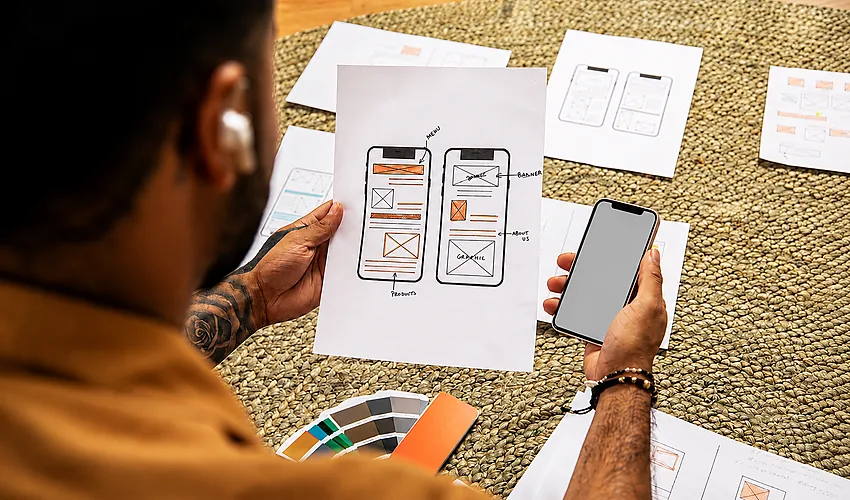
Rather than creating attractive visuals only, Interactive Designers consider how a product works and how people experience it.
They may ask questions such as:
- Is this website easy to navigate?
- Can users find information quickly?
- Does the application work well on mobile devices?
- Are buttons, menus and instructions clear?
- Can people with different abilities use the platform?
- How can the overall user experience be improved?
Therefore, good design is not based on appearance alone. It also requires usability, accessibility and an understanding of what users need.
The World Wide Web Consortium’s introduction to web accessibility explains why digital products should be designed so that people with disabilities can use them effectively.
What Skills Can You Develop Through Interactive Design?
An Interactive Design qualification can help students develop creative, technical and professional skills.
User Experience Design
User Experience design focuses on how people feel when using a digital product.
Students learn how to understand user needs, identify problems and improve the overall digital journey.
User Interface Design
User Interface design focuses on the visual elements users interact with, including buttons, icons, menus, colours, typography and page layouts.
Wireframing and Prototyping
Wireframes show the basic structure of a digital product before detailed visual design begins.
Prototypes allow designers to test how a website or application may work before it is fully developed.
Visual Design
Visual Design involves using colour, layout, typography, imagery and spacing to communicate clearly and create an engaging experience.
HTML and CSS Fundamentals
Students may learn the basic technologies used to structure and style web pages.
This knowledge can help designers understand how their ideas may be implemented online.
User Research
User research helps designers understand how people behave, what challenges they experience and what they expect from a digital product.
Design Thinking
Design thinking is a problem-solving process that encourages designers to understand users, explore ideas, build prototypes and test possible solutions.
Digital Collaboration
Interactive Designers often work with developers, marketers, researchers, project managers and content creators.
As a result, teamwork and communication are important professional skills.
Creative Problem-Solving
Interactive Design requires students to think creatively while also considering technical limitations, user needs and business goals.
Do You Need Coding Experience to Study Interactive Design?
You generally do not need advanced coding experience before beginning an Interactive Design qualification.
Many programmes introduce students to the fundamentals of web technologies during their studies.
Although basic HTML and CSS knowledge can be useful, the field focuses strongly on creativity, design thinking, usability and user experience.
Students should, however, be willing to learn how digital products are created and how designers collaborate with developers.
Interactive Design vs Graphic Design
Graphic Design and Interactive Design share several creative principles, but they focus on different outcomes.
Graphic Design mainly focuses on visual communication through elements such as branding, posters, packaging, advertising and print materials.
Interactive Design focuses on digital experiences that users actively engage with, including websites, mobile applications and digital platforms.
An Interactive Designer must consider both appearance and functionality.
For example, a Graphic Designer may create the visual identity for an online store. An Interactive Designer may determine how customers browse products, add items to a basket and complete payment.
Career Opportunities in Interactive Design
Interactive Design graduates can pursue creative and technology-focused roles across a range of industries.
Possible career opportunities include:
- UX Designer
- UI Designer
- Web Designer
- Digital Product Designer
- User Researcher
- Digital Content Designer
- Experience Designer
- Interaction Designer
For a more detailed breakdown of these roles, read Interactive Design Careers: Roles and Opportunities.
UX Designer
A UX Designer researches users and improves how they experience websites, applications and digital platforms.
UI Designer
A UI Designer creates the visual elements of digital products, including buttons, menus, colours, typography and page layouts.
Web Designer
A Web Designer creates the appearance and structure of websites while considering usability, responsiveness and accessibility.
Digital Product Designer
A Digital Product Designer works on the full experience of digital products, from early ideas and user research to prototypes and final designs.
User Researcher
A User Researcher studies how people use products and identifies ways to improve their experience.
Interaction Designer
An Interaction Designer focuses on how users interact with a product, including navigation, animations, feedback and transitions.
Is Interactive Design in Demand?
Organisations continue to invest in websites, mobile applications, e-commerce platforms and digital services. As a result, there is ongoing demand for professionals who understand usability, digital interfaces and user-centred design.
The US Bureau of Labor Statistics projects employment for web developers and digital designers to grow by 7% between 2024 and 2034, which is faster than the average for all occupations.
Although this data relates to the United States, it reflects the broader importance of digital design skills as businesses and public organisations continue expanding their online services.
Which Industries Employ Interactive Designers?
Interactive Designers can work in industries that rely on websites, applications and digital services.
These industries may include:
- banking and financial services;
- healthcare;
- retail and e-commerce;
- education;
- technology;
- media and entertainment;
- marketing and advertising;
- telecommunications; and
- government services.
From global technology companies to local businesses, organisations need professionals who can create digital experiences that are clear, accessible and user-friendly.
Can Interactive Design Lead to a Global Career?
Interactive Design skills can be applied across different countries and industries because organisations around the world use digital products.
A designer may work for a local business, international company, creative agency or technology organisation.
Some Interactive Designers also work as freelancers or provide services remotely to clients in different locations.
However, career opportunities depend on factors such as experience, portfolio quality, technical ability and employer requirements.
Why Study Interactive Design at Regenesys?
The Regenesys Bachelor of Information Technology in Interactive Design combines creative thinking with practical digital and technology skills.
The CHE-accredited, 365-credit programme covers areas such as design thinking, business intelligence, and application design and development.
Students can develop theoretical knowledge and practical capabilities that prepare them to create digital solutions for real business and user needs.
The qualification may suit students who aspire to work in creative agencies, technology companies, digital product teams or their own creative ventures.
Prospective students can also review the Bachelor of IT in Interactive Design admission requirements before applying.
Is Interactive Design the Right Choice for You?
Interactive Design may be a good choice if you want to combine creativity with technology.
It can provide opportunities to solve practical problems, create engaging digital experiences and develop skills used across several industries.
You may be suited to the field if you:
- enjoy creative projects;
- are interested in websites and applications;
- like solving problems;
- want to understand how people use technology;
- are willing to learn digital tools;
- enjoy working with others; and
- want to build practical design projects.
Ultimately, Interactive Design is an excellent option for students who want to use creativity to make technology more useful, accessible and enjoyable.
Explore the Bachelor of Information Technology in Interactive Design at Regenesys to learn about the curriculum, admission requirements and study options.
Frequently Asked Questions About Interactive Design
Is Interactive Design suitable for students without coding experience?
Yes. Many programmes begin with the fundamentals. Although students may learn basic web technologies, the main focus is often on creativity, design thinking, usability and user experience.
What is the difference between Graphic Design and Interactive Design?
Graphic Design primarily focuses on visual communication, while Interactive Design combines visual design, usability and user interaction to create functional digital experiences.
What careers are available after studying Interactive Design?
Graduates may pursue careers as UX Designers, UI Designers, Web Designers, Digital Product Designers, User Researchers, Experience Designers and Interaction Designers.
Is Interactive Design in demand?
Yes. Organisations continue to invest in websites, mobile applications and digital services, creating opportunities for people with user experience, interface design and digital product skills.
Is Interactive Design a good choice for creative students?
Yes. It allows creative students to apply their imagination, visual skills and problem-solving abilities to digital products that people use every day.
Do you need to be good at drawing to study Interactive Design?
No. Drawing ability can be helpful, but it is not the main requirement. Interactive Design focuses more on creative thinking, user research, digital tools, problem-solving, usability and the ability to communicate design ideas.