
Youth unemployment in South Africa is one of the biggest challenges facing the country today. If June 16 happened today, what would South Africa’s youth be marching against?
Would it be youth unemployment in South Africa? Would it be economic exclusion? Would it be an education system that gives access but does not always lead to work? Would it be corruption, weak accountability and a growing lack of trust in public institutions?
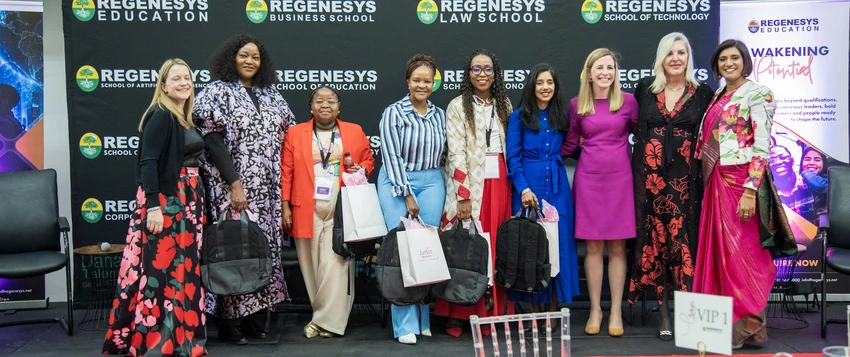
These questions shaped the Regenesys masterclass, Honouring the Legacy of June 16: Youth Leadership, Education, and Ethical Governance in South Africa. The discussion did not treat Youth Day as only a moment in history. Instead, it asked what the legacy of 1976 means for young South Africans today.
The youth of 1976 fought against a system that tried to limit their future through unequal education. Today’s youth face a different struggle. They are asking for access to jobs, economic participation, digital inclusion, ethical leadership and systems that work.
This is why youth unemployment in South Africa is not only an economic issue. It is also a leadership issue.
Watch the full Regenesys masterclass below to hear the complete discussion on youth leadership, education, unemployment and ethical governance in South Africa:
June 16 Is More Than a Day of Remembrance
June 16 is often remembered through stories of courage, protest and sacrifice. However, its meaning goes beyond remembrance.
It is a reminder that young people have always had the power to challenge systems that limit their future.
During the Regenesys masterclass, one speaker explained that the 1976 struggle was not only about language. It was also about the quality of education and the type of future that education made possible.
That message still matters.
South Africa has made progress in access to education. More young people can attend school, college and university than previous generations could. However, access alone is not enough.
If education does not lead to skills, confidence, employability and opportunity, the promise of education remains incomplete.
Youth Unemployment in South Africa and the New Struggle for Opportunity
Youth unemployment in South Africa shows that many young people are still excluded from meaningful economic participation.
In the masterclass, one speaker explained that the youth of 1976 marched against exclusion, while today’s youth are facing unemployment. That comparison is powerful because the form of exclusion has changed, but the impact is still serious.
Many young people are educated, motivated and ready to work. Yet they still struggle to enter the labour market. Others have business ideas, but they lack funding, mentorship, networks or access to the right information.
As a result, many young people begin to lose trust in the system.
They are told to study, but qualifications do not always lead to jobs. They are told to start businesses, but support is not always easy to access. They are told to participate in democracy, but many feel that institutions do not listen.
This is why youth unemployment cannot be separated from governance, leadership and public management.
Education Is Available, But Is It Relevant?
One of the strongest themes in the masterclass was the gap between education and employment.
Several panellists spoke about the mismatch between what young people study and what employers need. This is one of the reasons why employability has become such an important conversation.
A qualification can open a door. However, employability helps a young person walk through it.
Employability includes communication, confidence, workplace readiness, problem-solving, digital skills and the ability to adapt. It also includes understanding how industries work in practice.
One panellist put it simply: “Education is a passport to tomorrow.”
That quote is important. However, a passport only helps if it takes you somewhere. If education does not connect young people to work, skills or opportunity, then the system needs to be improved.
This is why South Africa needs education that is more practical, more market-relevant and more connected to the future of work.
Youth Unemployment Is a Governance Issue
Youth unemployment in South Africa is often discussed as a labour market problem. However, it is also a governance problem.
When public systems do not work well, young people are often the first to feel the impact. Poor planning, weak accountability, slow service delivery and ineffective public institutions can all limit opportunity.
In a country where headlines often raise questions about corruption, public trust and accountability, ethical leadership matters more than ever.
Governance is not only about politics. It is about how decisions are made, how resources are used and whether institutions serve people fairly.
This is why South Africa needs public leaders who understand accountability, transparency and service. It also needs professionals who can manage public institutions with integrity.
For working professionals who want to lead in public service, policy, governance or institutional transformation, the Regenesys Master of Public Management offers a structured pathway to build advanced public leadership and management skills.

Ethical Leadership Matters When Trust Is Low
Trust is one of the most important parts of leadership.
When people trust institutions, they are more likely to participate, vote, apply for opportunities, use public services and believe that effort can lead to progress. However, when trust is broken, people disengage.
This is especially dangerous for young people.
If young people feel that systems are unfair, they may stop participating. They may stop believing that education matters. They may stop trusting public institutions. Over time, this weakens democracy.
Ethical leadership is therefore not optional. It is necessary for rebuilding confidence in South Africa’s future.
An ethical leader does not only ask, “What can I achieve?” A better question is, “Who will benefit from the decisions I make?”
That is the kind of thinking South Africa needs in public management.
From Outrage to Action
South Africans are often quick to express frustration about unemployment, corruption, inequality and poor service delivery. However, frustration alone does not solve problems.
One of the strongest quotes from the masterclass was: “We need less outrage, we need more action.”
This line captures the challenge facing South Africa today.
The country does not only need people who can point out what is wrong. It needs people who can help build what is right.
That means educators, business leaders, public managers, community leaders and young people all have a role to play. It also means leadership must move beyond speeches and become visible through action.
Action can include mentoring young people, supporting skills development, creating workplace experience, improving public systems, voting, joining civic structures and holding leaders accountable.
The lesson from June 16 is clear. Young people should not wait for change. They can also help create it.
Digital Inclusion Is the New Access Struggle
The masterclass also raised the issue of digital inclusion.
Today’s youth use smartphones, social media and digital platforms every day. These tools can help young people learn, connect, organise, market themselves and find opportunities.
However, digital access is still unequal.
Some young people have fast internet, devices and the skills to use digital platforms productively. Others face weak connectivity, high data costs, limited infrastructure or a lack of guidance.
This matters because the future of work is increasingly digital.
Digital inclusion is not only about having internet access. It is about being able to use digital tools for learning, employment, entrepreneurship and civic participation.
Young people need to know how to use online platforms for more than entertainment. They also need to use them to find information, build skills and access opportunity.
Information Must Reach Young People
Another important theme from the masterclass was access to information.
Several speakers explained that opportunities do exist, but many young people do not know where to find them. This includes information about funding, training, youth development programmes, entrepreneurship support and workplace experience.
One panellist said: “Information is king, information is power.”
However, information only has power when it reaches the people who need it.
If young people in rural areas, townships or under-resourced communities do not know about available opportunities, then those opportunities may not make a real difference.
This is why institutions must communicate better. Government, business, schools and youth organisations need to meet young people where they are. They must also make information clear, practical and easy to act on.
At the same time, young people must stay curious. Searching for opportunities, following credible platforms, attending webinars and asking questions can help them become more prepared.
Youth Leadership Is Not Only About Voting
Voting is important. However, youth leadership in South Africa should not begin and end at the ballot box.
Young people can influence change through community leadership, entrepreneurship, student structures, digital advocacy, public participation and civic organisations.
The masterclass explored how young people can participate in governance beyond voting. This question matters because many young people feel disconnected from formal politics.
Some feel unheard. Others feel that their participation does not lead to real change.
However, democracy becomes weaker when young people disengage. It becomes stronger when they are included in conversations about policy, opportunity and development.
Youth leadership is not only about age. It is about responsibility, courage and a willingness to contribute.
For students who want to build a foundation in governance, administration and public sector leadership, the Regenesys Bachelor of Public Management can be a relevant starting point.
The Skills South Africa Needs Now
South Africa needs young people who are prepared for the future. However, preparation is not only about technical skills.
The country also needs ethical thinkers, responsible leaders and people who understand how systems work.
Important skills for the future include:
- Ethical leadership
- Public accountability
- Digital literacy
- Communication
- Critical thinking
- Problem-solving
- Entrepreneurship
- Employability
- Financial literacy
- Civic participation
- Governance awareness
These skills matter because South Africa does not only need more employees. It needs more builders, problem-solvers and ethical leaders.
This is where public management education becomes important. It helps learners understand governance, leadership, policy, institutions and public service.
What the Youth of 1976 Still Teach Us
The youth of 1976 were not passive. They understood their moment and acted with courage.
During the masterclass, panellists reflected on what they would say to the youth of 1976. Their answers included gratitude, respect and a renewed call for courage.
One panellist said the youth of 1976 should be thanked for their “advocacy” and “bravery”. Another said today’s generation must become “dreamers and doers”.
That phrase is powerful.
South Africa needs young people who can dream of a better future and also do the work needed to build it.
For the youth of 1976, the mission was to challenge an unjust education system. For today’s youth, the mission may be to fight economic exclusion, rebuild trust, demand ethical governance and create meaningful opportunity.
The struggle is different. However, the need for courage remains.
Why Public Management Matters Now
Public management is not only for people who want government jobs. It is for people who want to understand how institutions work and how better leadership can improve society.
Good public management can influence service delivery, youth development, policy implementation, governance, community programmes and public trust.
This is why the Regenesys Master of Public Management is relevant to the issues raised in the masterclass. It is suited to professionals who want to strengthen their ability to lead, manage and contribute to public sector transformation.
South Africa needs leaders who can think beyond personal success. It needs leaders who can serve communities, manage resources responsibly and build systems that include young people.
If youth unemployment in South Africa is a national challenge, then ethical public leadership must be part of the solution.
Take the Next Step with Regenesys
Youth unemployment in South Africa is not just a statistic. It affects families, communities, institutions and the future of the country.
However, the message from the Regenesys masterclass was not hopelessness. It was action.
South Africa needs young people who are skilled, informed and ready to participate. It also needs leaders who understand governance, accountability and public service.
If you want to develop leadership skills, understand governance and prepare for a meaningful role in public service, the Regenesys Master of Public Management can help you build the knowledge and confidence to lead with purpose.
The legacy of June 16 should not only be remembered. It should be continued through education, ethical leadership and action.
FAQs
What is youth unemployment in South Africa?
Youth unemployment in South Africa refers to the high number of young people who are able and willing to work but cannot find employment. It remains one of the country’s most serious social and economic challenges.
Why is June 16 important for young South Africans?
June 16 is important because it remembers the courage of the youth of 1976, who stood against an unjust education system. Today, it also reminds South Africans to reflect on the challenges young people still face.
How is education linked to youth unemployment?
Education is linked to youth unemployment because young people need relevant skills to access work. When education does not match labour market needs, graduates may struggle to find employment.
Why does ethical governance matter for youth development?
Ethical governance matters because young people depend on fair, accountable and effective systems. When governance fails, opportunities, services and trust in institutions are affected.
How can young people participate in democracy beyond voting?
Young people can participate through community leadership, civic organisations, entrepreneurship, digital advocacy, public consultations, student leadership and holding leaders accountable.
Why study public management at Regenesys?
Public management studies can help learners understand governance, leadership, policy and public service. Regenesys offers public management programmes for students and professionals who want to contribute to ethical and effective leadership.